


Your gut microbiome -- the community of trillions of bacteria, fungi, and other microorganisms living in your digestive tract -- influences far more than digestion. Emerging research connects it to immune function, mood, skin health, energy levels, and even cognitive performance. When this ecosystem falls out of balance, a condition known as dysbiosis, the effects show up across your whole body, often in ways that seem completely unrelated to your gut.
Here are seven of the most common signs that your microbiome may need attention.
1. Chronic Bloating and Gas
Occasional bloating after certain foods is normal. Chronic bloating -- persistent, daily, regardless of what you eat -- is not. When your gut microbiome is imbalanced, certain bacteria may ferment food inappropriately in your intestine, producing excess gas and distension. This is one of the most direct and reliable signals of dysbiosis. If your stomach feels consistently distended by mid-afternoon regardless of your diet, your microbiome composition deserves attention.
2. Irregular Bowel Movements
Your gut microbiome plays a direct role in regulating transit time -- how quickly food moves through your digestive system. Beneficial bacteria produce short-chain fatty acids that support the smooth muscle contractions of the intestinal wall. When the microbiome is disrupted, this regulation breaks down. Chronic constipation, chronic loose stools, or alternating between both are all common presentations of gut dysbiosis, and all can improve with targeted probiotic support.*
3. Frequent Illness or Slow Recovery
Approximately 70% of your immune system resides in and around your gut. Beneficial gut bacteria train immune cells, regulate inflammatory responses, and create a barrier against pathogens. When your microbiome loses diversity or beneficial strains are depleted -- through antibiotic use, poor diet, stress, or illness -- immune function is directly compromised. If you find yourself catching colds frequently, taking longer than usual to recover from illness, or getting sick after every period of intense stress, your gut microbiome may be a contributing factor.*
4. Persistent Fatigue
An imbalanced gut microbiome impairs nutrient absorption. Even if you are eating a nutritious diet, dysbiosis can mean you are not absorbing the vitamins and minerals your body needs to produce energy efficiently. Additionally, certain harmful bacteria produce metabolic byproducts that contribute to systemic inflammation -- a direct driver of fatigue. If you are consistently tired despite adequate sleep and no obvious medical cause, gut health is worth investigating.
5. Mood Changes, Anxiety, or Brain Fog
The gut-brain axis is one of the most studied connections in contemporary neuroscience. Your gut produces approximately 90% of your body's serotonin. When your microbiome is disrupted, this production is affected. Research consistently links dysbiosis with increased anxiety, depression symptoms, and cognitive difficulties including brain fog and poor concentration. This connection runs both ways -- stress disrupts the microbiome, and a disrupted microbiome amplifies the stress response.*
6. Skin Problems
The gut-skin axis connects your microbiome to inflammatory skin conditions including acne, eczema, rosacea, and psoriasis. Dysbiosis increases intestinal permeability -- sometimes called leaky gut -- which allows bacterial byproducts to enter the bloodstream and trigger systemic inflammation that manifests in the skin. If you experience recurring skin flare-ups that do not respond well to topical treatments, the root cause may be deeper.*
7. Sugar Cravings
Certain strains of bacteria in your gut actively influence your food preferences by signalling the nervous system to crave the foods they thrive on. Harmful bacteria -- which proliferate when beneficial bacteria are depleted -- preferentially feed on sugar and refined carbohydrates. Intense, persistent sugar cravings, particularly in the afternoon and evening, can be a sign that opportunistic bacteria have gained a foothold in your microbiome. Restoring beneficial bacteria through targeted supplementation can gradually shift these cravings.*
What Disrupts the Gut Microbiome
The most common causes of dysbiosis include antibiotic use (which kills beneficial bacteria alongside harmful ones), a diet low in fibre and high in processed foods, chronic stress, excessive alcohol consumption, insufficient sleep, and illness. Most people experience some degree of microbiome disruption over time -- the question is how quickly and effectively you restore balance.
Restoring Balance
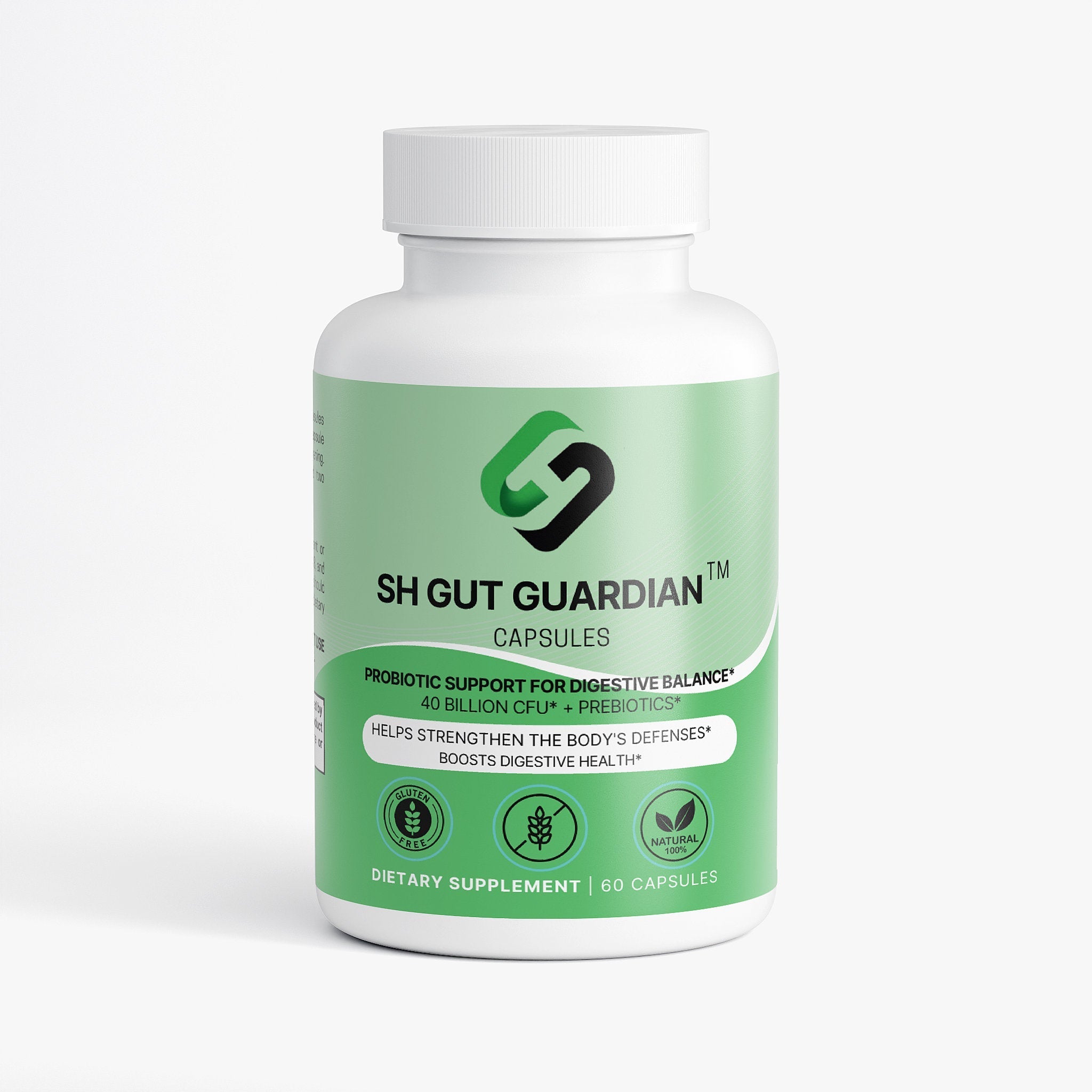
Consistent probiotic supplementation with clinically studied strains is one of the most direct interventions for dysbiosis. SH Gut Guardian delivers 40 billion CFU of four well-researched strains -- Lactobacillus Acidophilus, Bifidobacterium Lactis, Lactobacillus Plantarum, and Lactobacillus Paracasei -- using MAKTREK Bi-Pass Technology to ensure live cultures survive stomach acid and reach your gut intact. It includes fructooligosaccharide as a prebiotic to feed the cultures on arrival.*
Results from probiotic supplementation are not immediate. Give it 30 to 60 days of consistent daily use to assess meaningful impact.
*These statements have not been evaluated by the Food and Drug Administration. This product is not intended to diagnose, treat, cure, or prevent any disease.

