


Melatonin dominates the sleep supplement aisle. It is the first thing most people try and, for many, the first thing that disappoints. If you have used melatonin and found the results underwhelming -- or if you want to avoid taking a hormone supplement nightly -- you are not alone. There is a growing body of evidence behind non-melatonin sleep ingredients, and several of them are more effective for the underlying causes of poor sleep than melatonin ever was.
Why Melatonin Has Limitations
Melatonin is a hormone your body produces naturally in response to darkness. Supplementing it can help reset a shifted sleep schedule -- jet lag, shift work, or consistently going to bed at irregular times. That is what the research genuinely supports. What melatonin is less effective at is helping you stay asleep, improving sleep quality, or addressing the physiological reasons you cannot switch off at night.
The problem for most people with poor sleep is not a melatonin deficiency. It is elevated evening cortisol, insufficient GABA activity, muscle tension, or a nervous system that has not learned how to downshift. Melatonin does not address any of these. Non-melatonin sleep ingredients often do.*
The Ingredients With Real Evidence
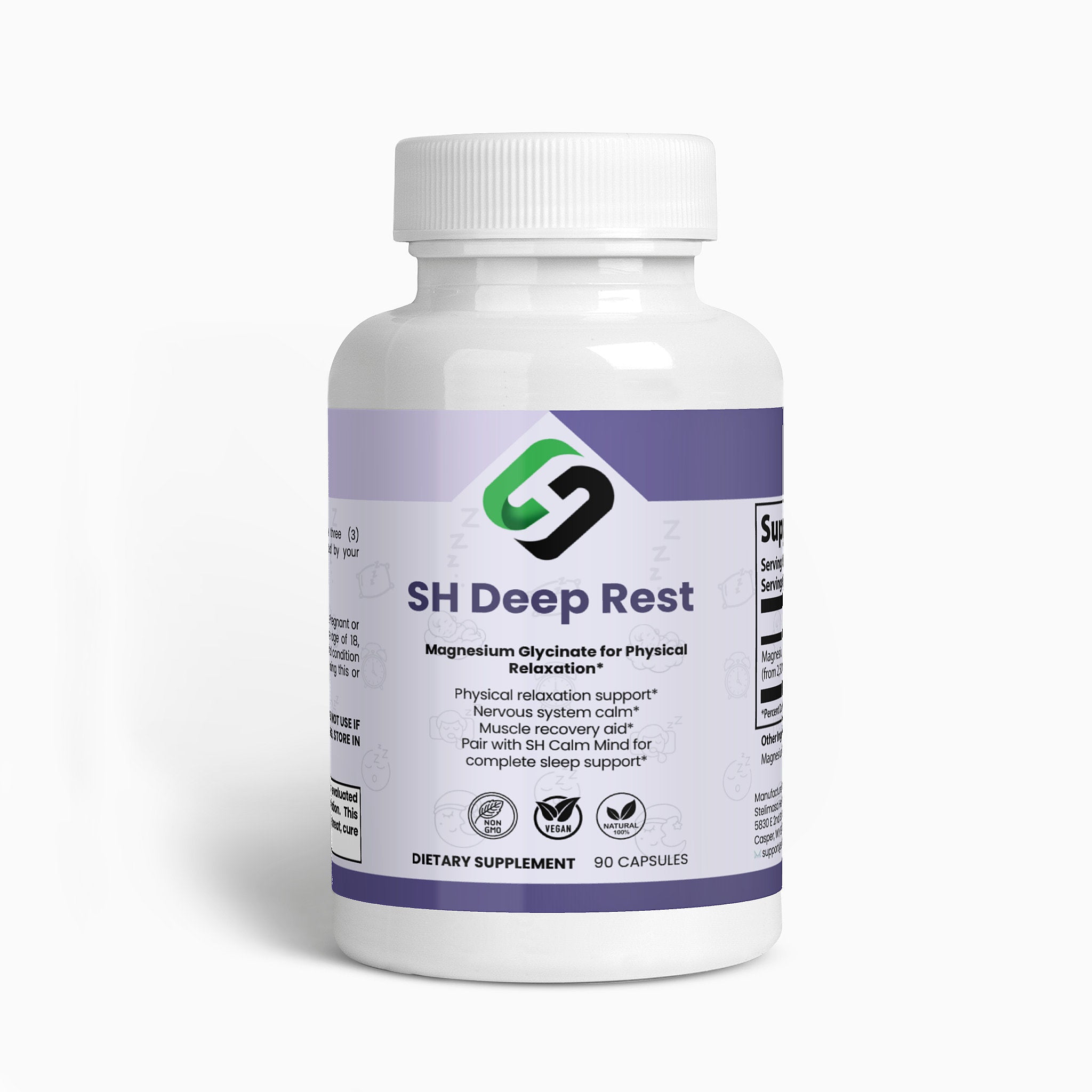
Magnesium Glycinate
Magnesium is involved in regulating both GABA and cortisol -- two of the most critical biological levers for sleep onset. A 2025 randomized controlled trial in Nature and Science of Sleep found that magnesium bisglycinate supplementation improved insomnia symptoms in adults with poor sleep quality, with the strongest effects in those with low dietary magnesium. Nearly 50% of American adults are below the recommended intake, making this one of the highest-leverage interventions available.*
L-Theanine
L-theanine is an amino acid found naturally in green tea. It promotes alpha brain wave activity -- the relaxed but alert state associated with meditation -- without causing drowsiness on its own. Research suggests it reduces the physiological stress response and supports deeper, more restorative sleep when combined with other calming agents.* A 2019 study in Nutrients found that L-theanine supplementation improved sleep satisfaction, sleep latency, and sleep disturbance scores in subjects with sleep difficulties.
GABA
GABA (gamma-aminobutyric acid) is the brain's primary inhibitory neurotransmitter. It is literally what tells your brain to stop firing and start resting. Research on supplemental GABA for sleep shows it may reduce sleep onset time and improve sleep quality, with one study finding significant reductions in time to fall asleep after four weeks of supplementation.*
Ashwagandha
Ashwagandha is an adaptogen that works primarily on the HPA axis -- the system that regulates cortisol production. A 2025 systematic review and meta-analysis of randomized controlled trials found that ashwagandha supplementation produced significant reductions in cortisol levels at eight weeks of consistent use. Since high evening cortisol is one of the primary drivers of the "wired but tired" state, ashwagandha addresses a root cause rather than a symptom.*
Valerian Root and Passionflower
Both are traditional botanical sleep aids with clinical support. Valerian root has been studied for its effect on GABA receptors. Passionflower has been shown in small trials to improve total sleep time and sleep quality. Neither is dramatic on its own but both contribute meaningfully in a multi-ingredient formula.*
Why Multi-Mechanism Formulas Outperform Single Ingredients
Sleep problems rarely have a single cause. You might have elevated cortisol, low GABA activity, and physical muscle tension all at the same time. A formula that addresses only one of these will produce limited results. The most effective non-melatonin sleep supplements combine ingredients that work across different biological pathways simultaneously.
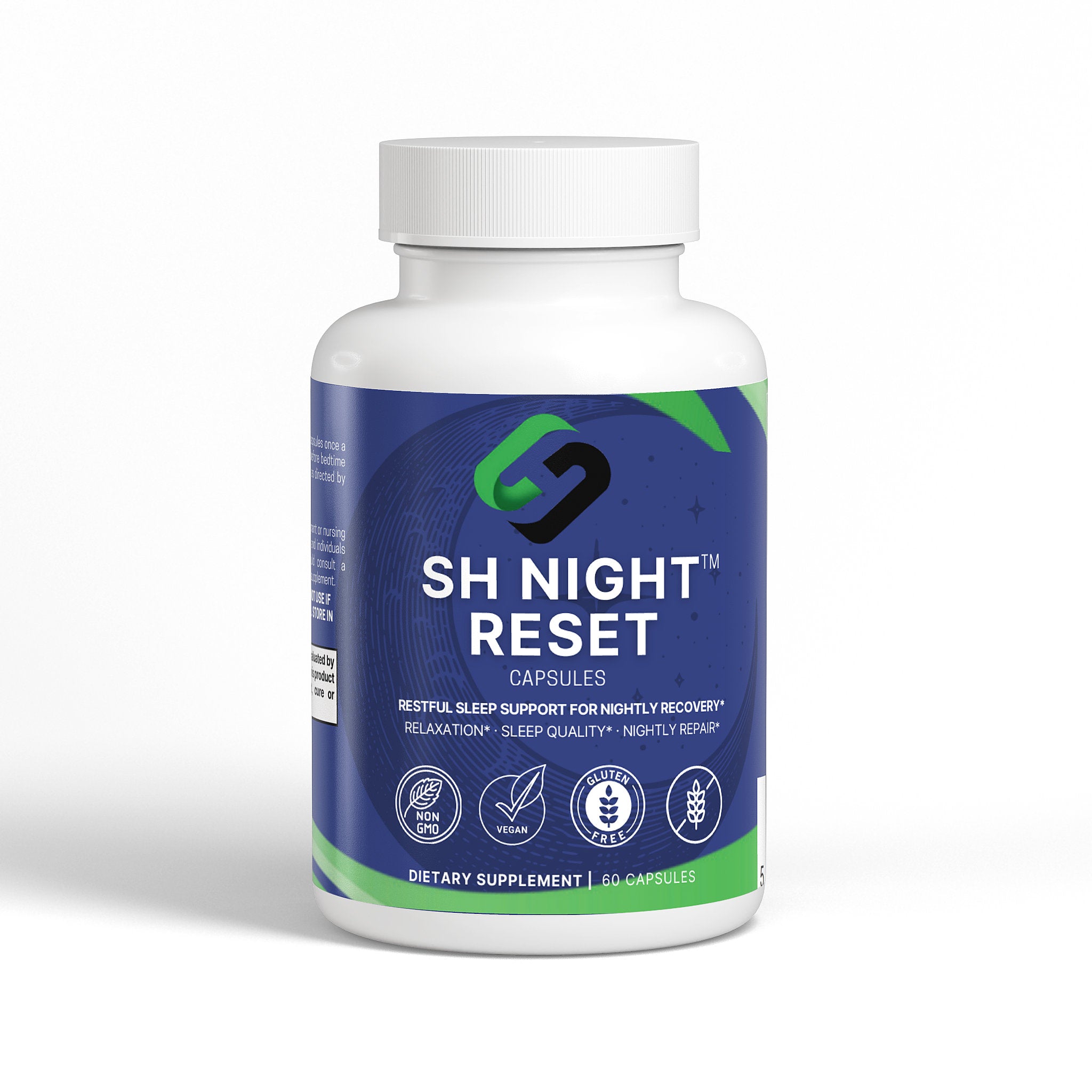
SH Night Reset
SH Night Reset is built on this multi-mechanism principle. It combines magnesium and B6 for physical tension and cortisol regulation, L-theanine and GABA for mental calm, and chamomile, passion flower, valerian root, and lemon balm for botanical sleep support -- plus a low, precise dose of melatonin to help signal sleep onset. It is designed to help you fall asleep naturally and stay asleep without the grogginess that comes from sedative-based approaches.*
If you want a pure magnesium glycinate option with no melatonin at all, SH Deep Rest is the right starting point.*
*These statements have not been evaluated by the Food and Drug Administration. This product is not intended to diagnose, treat, cure, or prevent any disease.

